When was the last time you had your pet’s teeth cleaned? According to the AVMA, pets who have never had a teeth cleaning have signs of dental disease by the time they are three years old. For that reason, Cherry Ridge Veterinary Clinic recommends that all pets have a yearly dental cleaning and oral examination.
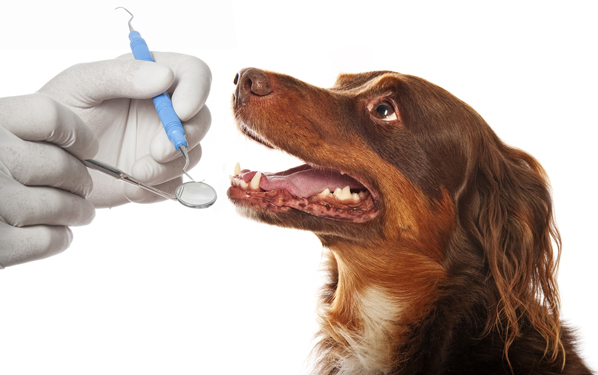
Gum Disease in Dogs and Cats
Dogs and cats are prone to developing the same types of dental diseases and problems as humans, including gingivitis, periodontal disease, tooth decay, staining, and cavities. The process of dental decay and disease starts every time your pet eats. When your pet eats, food particles get on their teeth and gums. This fuels the bacteria in your pet’s mouth, causing an acid attack on the enamel of their teeth and creating a sticky, clear substance called plaque. If the plaque is left on teeth, it hardens into tartar. When plaque and tartar are left on your pet’s teeth for an extended period of time, it can lead to gingivitis, periodontal disease, cavities and oral infections.
Signs of Dental Disease in Pets
When it comes to detecting potential oral health problems in pets, owners must be vigilant in noticing changes in behavior. This is because pets often do not act like they are in pain until the pain is severe. If you notice any of the signs below, it is important that you contact us to schedule a dental checkup, teeth cleaning and gum disease treatment.
- Broken or loose teeth
- Discomfort while eating
- Extremely bad breath
- Purulent or bloody drool
- Red gums
- Staining on the teeth
- Swollen or inflamed gums
- Weight loss or loss of appetite
The Hazards of Untreated Periodontal Disease in Pets
Untreated periodontal disease in dogs and cats can lead to dangerous infections, like abscesses and blood infections. Advanced dental disease may also affect your pet’s heart, liver, and kidneys. In order to avoid these potentially life-threatening conditions, it is important to keep your pet’s teeth clean with a combination of at-home care and regular veterinary teeth cleanings.
Dental Radiographs - What do they show us?
Dental radiographs give us a full assessment of your pet's teeth. Approximately 50% of your pet's tooth is below the gum line and not visible to the naked eye. Radiographs help us diagnosis broken teeth, periodontal disease, lesions, oral tumors, missing teeth, and discolored teeth.
Stages of Pet Dental Disease
Stage 1: Gingivitis - The gum line is inflamed and swollen. Plaque covers teeth. Home dental care is needed. If there is no improvement, a dental cleaning is needed to remove the plaque buildup.
Stage 2: Early Periodontitis - Increased inflammation with subgingival plaque and calculus.
Stage 3: Established Periodontitis - Gums are red and bleed easily, permanent damage by the calculus and infection. Patient's mouth appears sore and bad breath is present. Teeth must be cleaned and a full assessment of the periodontal disease is needed. Preventative diet and home care is needed to prevent this from happening again.
Stage 4: Advanced Periodontis - Chronic infection is destroying the gums, teeth, and bone. Bacteria is spread through the bloodstream and may damage vital organs. Dental cleaning and mouth assessment is needed right away. Some teeth may require extractions and home dental care is needed.
Early detection is key!
Pet's don't often show symptoms of dental disease until it is advanced. Don't let your pet suffer from these painful conditions.
- Dental issues are usually painful
- Dental disease can cause damage in other organs such as heart, liver, and kidneys
- May cause loss of treatment
- May shorten your pets life
- Costs can increase drastically if left untreated
Dental disease can occur in pets of all ages but if your pet is 3 years or older they likely have tartar and plaque buildup and can really benefit from a dental cleaning. Older pets that have not had any preventative care will have more advanced tartar build up and gum disease. Plaque harbors bacteria which infects gum tissue. This causes pain and can result in teeth having to be extracted.
Regular cleanings and preventative at home care are important to maintaining your pet's health. Dental cleanings must be performed under general anesthesia in order to properly clean the teeth and assess the patient's mouth. We use state of the art ultrasonic equipment; each tooth is thoroughly cleaned above and below the gum line. Our highly skilled dental technicians clean and polish the teeth to create a smooth surface more resistant to plaque buildup. Once the dental technician is done with the cleaning and polishing, the veterinarian will perform a thorough oral exam and check each tooth for any signs of dental disease.
Signs of dental disease are pockets, gum loss, and root exposure. Some teeth may need to be extracted. We have extensive training at performing oral surgery and removing each individual root. We perform oral nerve blocks and give additional injectable pain medications for patients with teeth that need to be extracted. Your pet will also be sent home with oral pain medication to give for a few days. Pets recover quickly following these procedures and once the gums have healed they can go back to eating their regular diet.
To learn more about our veterinary dental services and how they can protect the health of your pet, call us at 570-253-2402 today.